Building for Speed: Why Fast Teams Need a Design System & Headless Tech
Quick summary
- The Problem: Traditional monolithic websites (like heavy WordPress themes) slow down design and development teams, creating "silos" where marketing waits on dev, and dev waits on design.
- The Solution: A Component-Based Design System combined with a Headless CMS(like Sanity, Strapi, or Contentful).
- The Result: Consistent branding, 3x faster page loads (passing Core Web Vitals), and developers who ship new features instead of fixing padding bugs.
- Our Tech Stack: Figma (Design) → Storybook (Component Library) → Next.js (Production).

The "Velocity" Trap
Every startup hits a wall. You launch your MVP, and it works. But as you scale, your website becomes a Frankenstein monster of conflicting CSS, slow load times, and "hard-coded" marketing pages that require a developer just to fix a typo.
This is the Velocity Trap. The more you build, the slower you get.
At Kreatrs, we don’t just build "pages"; we build systems. In this guide, we break down why moving to a Headless Architecture with a robust Design System is the only way to scale your digital presence in 2026 without accumulating massive technical debt.
What is a Headless Design System?
A Headless Design System is a unified library of reusable UI components (buttons, navbars, cards) that lives separately from your backend content and database. It acts as the single source of truth for your digital product.
Instead of building pages one by one, we build a system where:
- Designers maintain the "Truth" in Figma (using tokens for color, spacing, and type).
- Developers maintain the "Code" in Storybook (using React/Next.js).
- Marketers manage the "Content" in a Headless CMS (without breaking the design).
This separation allows your marketing team to launch landing pages in minutes, while your engineering team focuses on complex product features.
Why Next.js & Headless CMS? (The Technical SEO Play)
Speed is not a luxury; it’s a ranking factor. Google’s Core Web Vitals explicitly penalize slow sites. If your LCP (Largest Contentful Paint) is over 2.5 seconds, you are losing organic traffic.
Here is why we strictly advocate for Next.js over traditional architectures:
1. Server-Side Rendering (SSR)
Unlike traditional React apps (Client-Side Rendering) where the user stares at a white screen while JavaScript loads, Next.js renders pages on the server. This ensures Google bots see your content instantly, indexing your keywords faster.
2. Intelligent Image Optimization
Large images are the https://www.google.com/search?q=%231 killer of website speed. We utilize next/image to automatically resize, compress, and serve images in modern WebP formats based on the user's device. This typically reduces LCP scores by up to 60%.
3. Enterprise-Grade Security
Decoupling your front end from your database removes the most common attack vectors found in monolithic sites (like SQL injection via plugins). Your content lives safely behind an API, making the frontend virtually unhackable.
Want to see this speed in action? Check out our Web Development Services page to see our benchmark performance scores.
Why should a founder invest budget into a Design System? It’s not just about aesthetics; it’s about efficiency.
- 30% Reduction in Dev Time: Developers stop rewriting the same "Button" code for every page. They simply import <Button primary />.
- Zero Visual Regression: No more accidental layout shifts when marketing updates a blog post. The system enforces the rules.
- Omnichannel Ready: Your design tokens can power your Website, iOS App, and Android App simultaneously. Update your brand color in one file, and it propagates everywhere.
Step-by-Step: How We Build at Kreatrs
If you are ready to stop fighting your CMS, here is the exact roadmap we use to migrate clients to a modern stack:
Phase 1: Audit & Tokenization
We map your brand DNA—colors, spacing, typography, and shadows—into JSON "Design Tokens." This creates a shared language between designers and developers.
Phase 2: The Component Library
We build your "LEGO blocks" in isolation using Storybook. We test every component (Buttons, Heros, Forms) for accessibility and responsiveness before they ever touch the main website.
Phase 3: CMS Integration
We connect these blocks to a Headless CMS. This gives your marketing team a "Page Builder" experience where they can drag-and-drop pre-approved components, but they can't "break" the brand guidelines.
Ready to future-proof your website? Audit Your Site Today
Conclusion
Your website is your best salesperson. Don't let it stutter. Transitioning to a Headless Design System isn't just a "tech upgrade"—it's a business maturity milestone that signals you are ready to scale.

Nishit Bhandari
SEO Specialist
Nishit help businesses grow through data-driven SEO strategies, combining technical optimization, content planning, and authority building to improve rankings and increase qualified traffic. Focused on long-term growth, performance tracking, and delivering real business impact. 🚀
Related Blogs
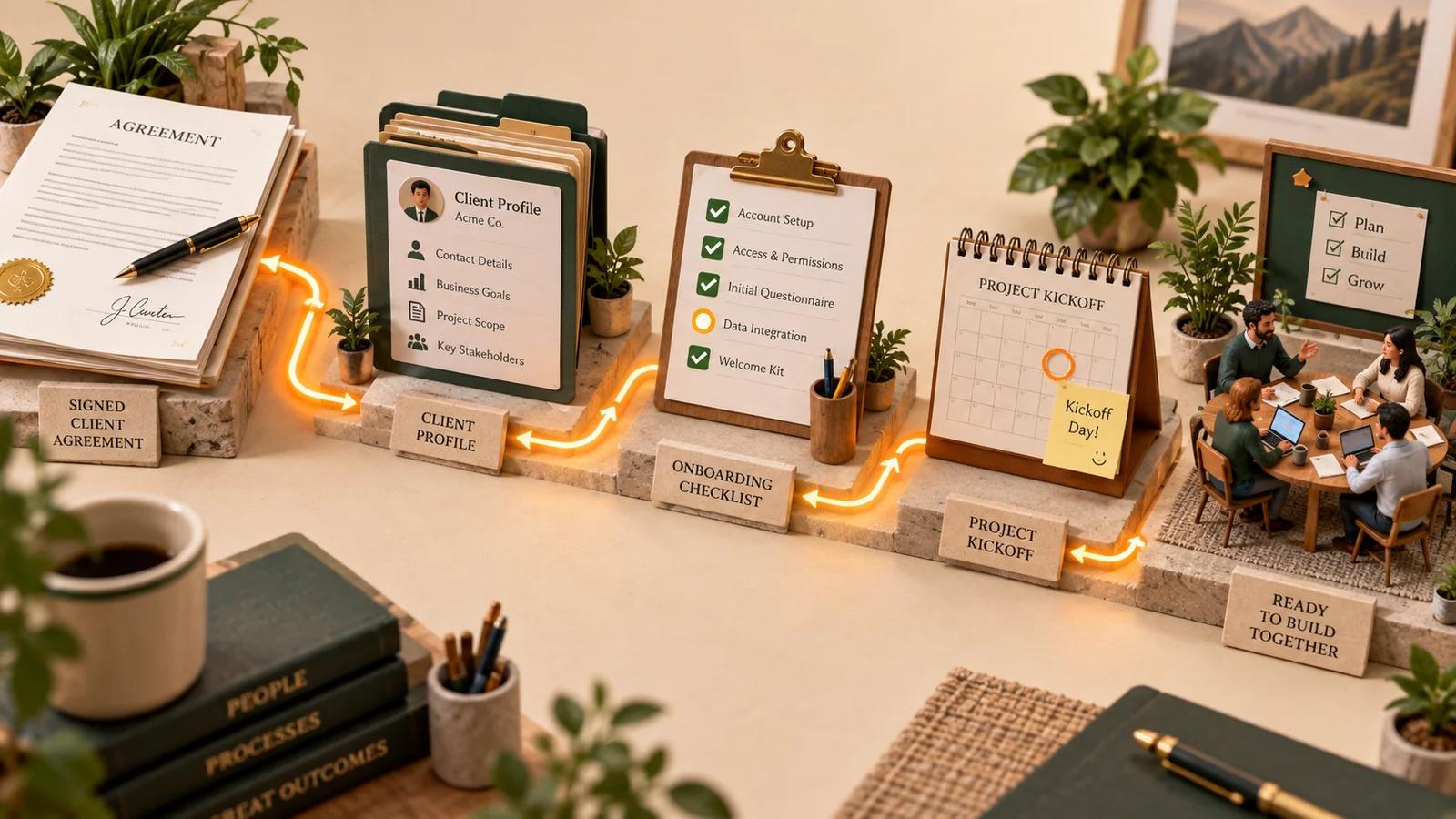
Customer Onboarding Automation: From Signed Deal to Kickoff
Sep 28, 2026
Build a customer onboarding workflow that connects your CRM, intake forms and project tools, with clear ownership, reminders and a reliable kickoff handoff.
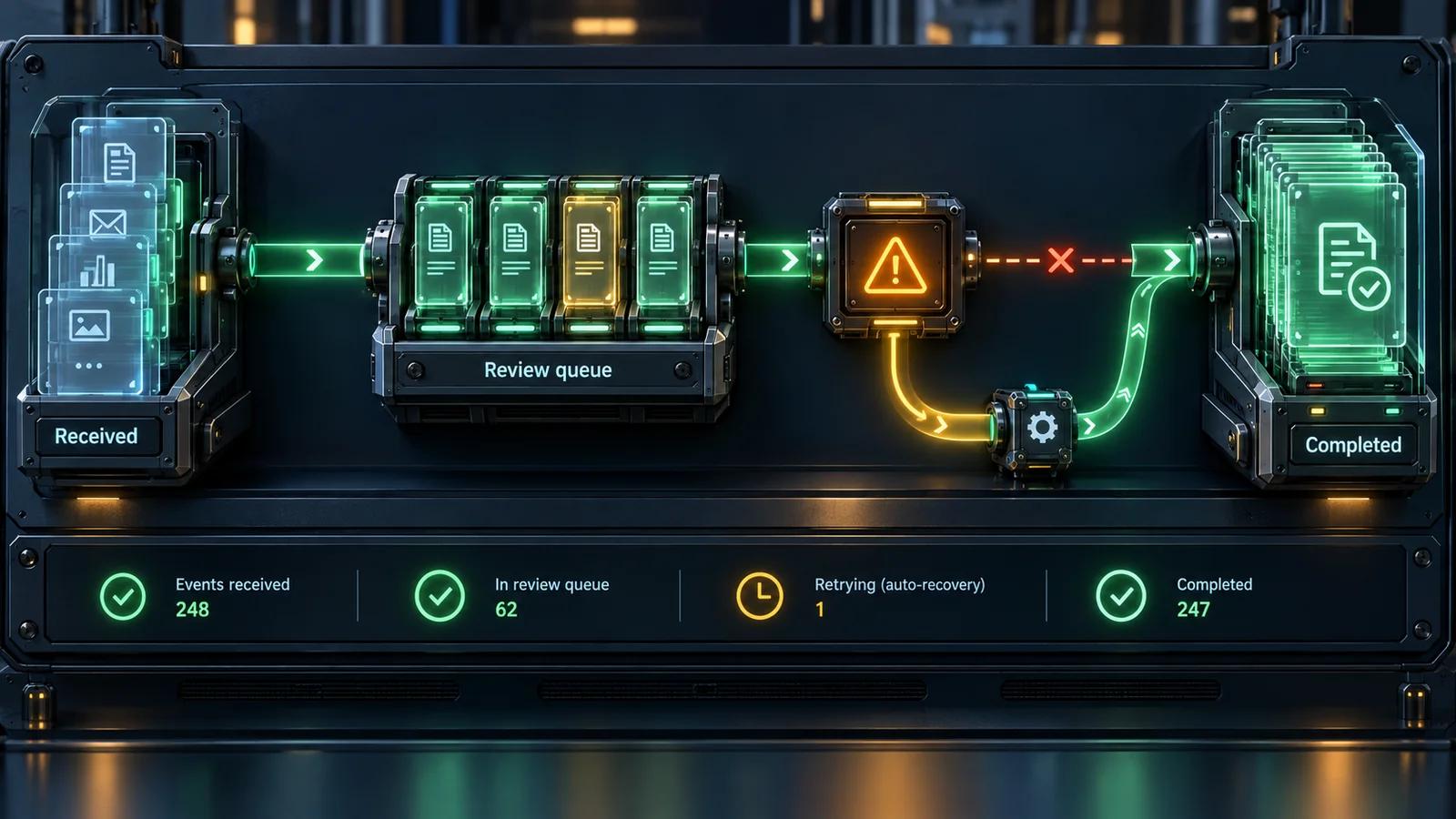
Automation Monitoring: Catch Failures and Recover Without Duplicates
Sep 28, 2026
Build reliable automation with useful alerts, safe retries, duplicate prevention and a clear recovery process when connected business systems fail.
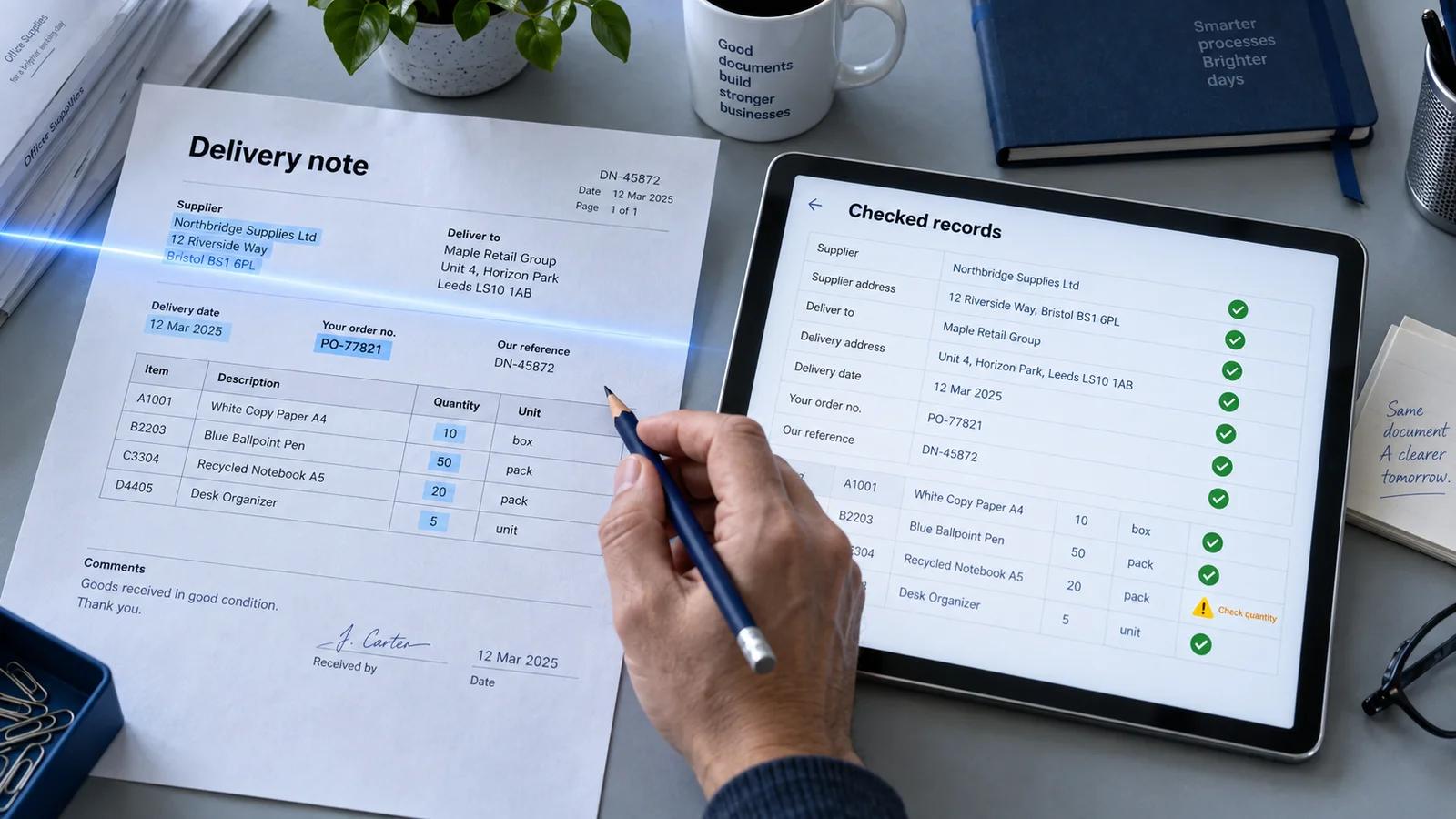
AI Document Processing: Turn PDFs and Emails into Checked Records
Sep 28, 2026
Learn how to turn PDFs and email attachments into checked business records using AI extraction, field validation, human review and reliable system updates.