Boosting Engagement with Dynamic Web Design Techniques
Explore innovative web design techniques to enhance user engagement.
Quick summary
Learn how dynamic web design can improve user engagement with techniques like animation, interactive elements, and responsive layouts. These strategies make websites more engaging and user-friendly.

The Role of Dynamics in Web Design
Dynamic web design refers to the incorporation of elements that change or respond to user interactions. This can involve animations, transitions, or interactive features that make a website more engaging.
The goal is to create a more immersive experience that captures the user's attention and encourages prolonged interaction with the content.
Implementing Animation Effectively
Animations can guide users through a website, highlight important information, or simply enhance the visual appeal. It’s important to use them sparingly to avoid overwhelming the user.
- Use animations to draw attention to key elements.
- Ensure animations are performance-optimized to not slow down the site.
- Test animations across devices for consistency.
Enhancing User Interaction with Microinteractions
Microinteractions are subtle changes in response to user actions, like button hover effects or form field animations. They provide feedback and enhance the user experience by making interactions feel intuitive.
Good microinteractions can make the difference between a mundane and an engaging user experience.
Responsive Layouts and Their Impact
Responsive design ensures that websites function well on a wide range of devices. By adapting to screen size and orientation, responsive layouts can significantly improve user engagement and satisfaction.
It is crucial to use flexible grids and layouts, along with CSS media queries, to maintain usability and appearance across devices.
Integrating Interactive Elements
Interactive elements like forms, quizzes, or carousels can engage users by inviting them to take part in the content. These elements should be intuitive and provide immediate feedback to maintain user interest.
- Design elements that are easy to use and understand.
- Provide clear feedback for user actions.
- Ensure interactive elements are accessible.
Conclusion: Balancing Dynamics and Usability
While dynamic web design can greatly enhance user engagement, it's crucial to maintain a balance between dynamic elements and usability. Overloading a site with animations or interactions can detract from the overall experience.
By carefully integrating dynamic elements with thoughtful design, businesses can create engaging, user-friendly websites that draw in and retain users effectively.

Kreatrs Editorial
Kreatrs Media Team
Read more articles by Kreatrs Editorial on Kreatrs.
Related Blogs
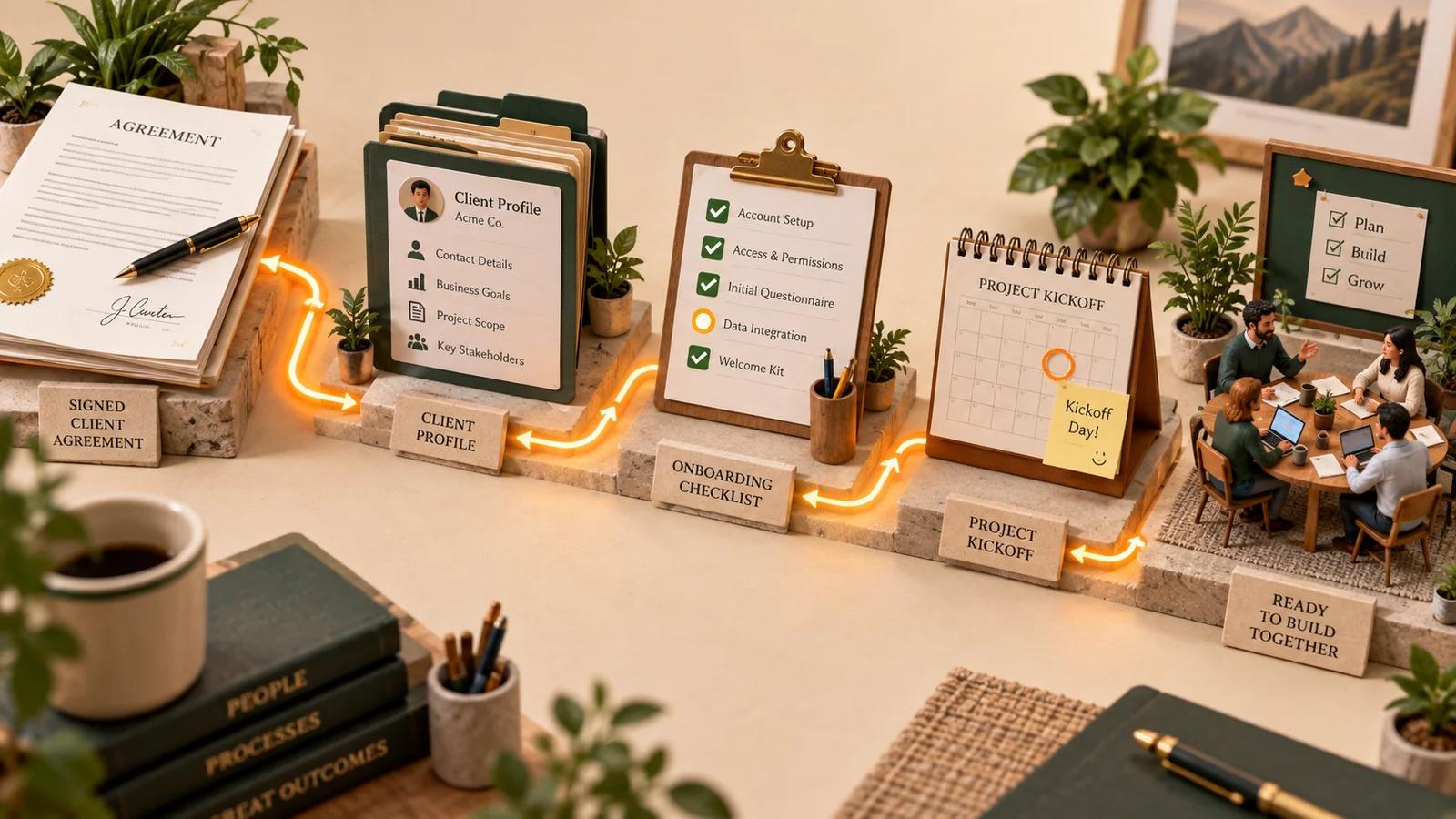
Customer Onboarding Automation: From Signed Deal to Kickoff
Sep 28, 2026
Build a customer onboarding workflow that connects your CRM, intake forms and project tools, with clear ownership, reminders and a reliable kickoff handoff.
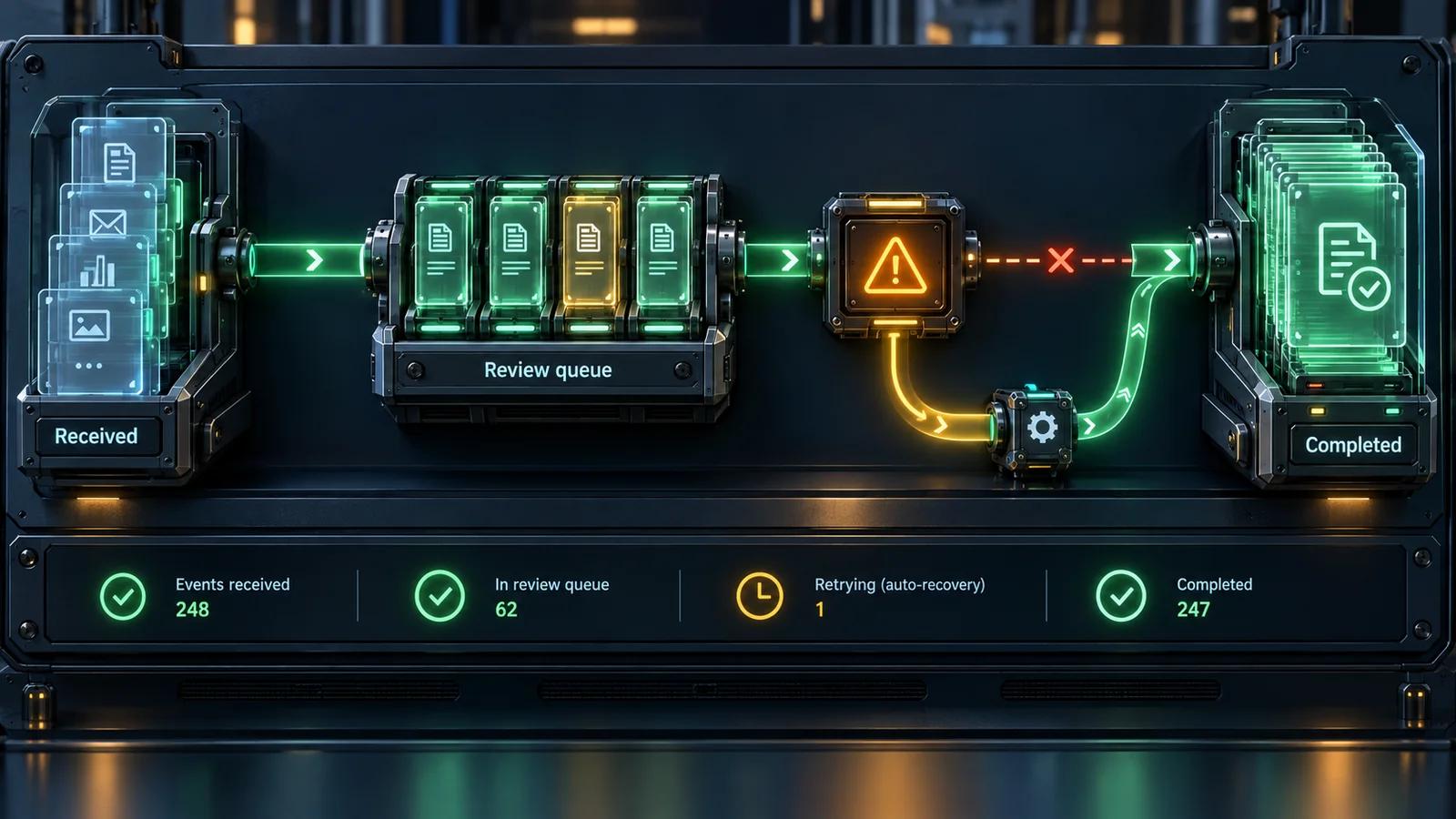
Automation Monitoring: Catch Failures and Recover Without Duplicates
Sep 28, 2026
Build reliable automation with useful alerts, safe retries, duplicate prevention and a clear recovery process when connected business systems fail.
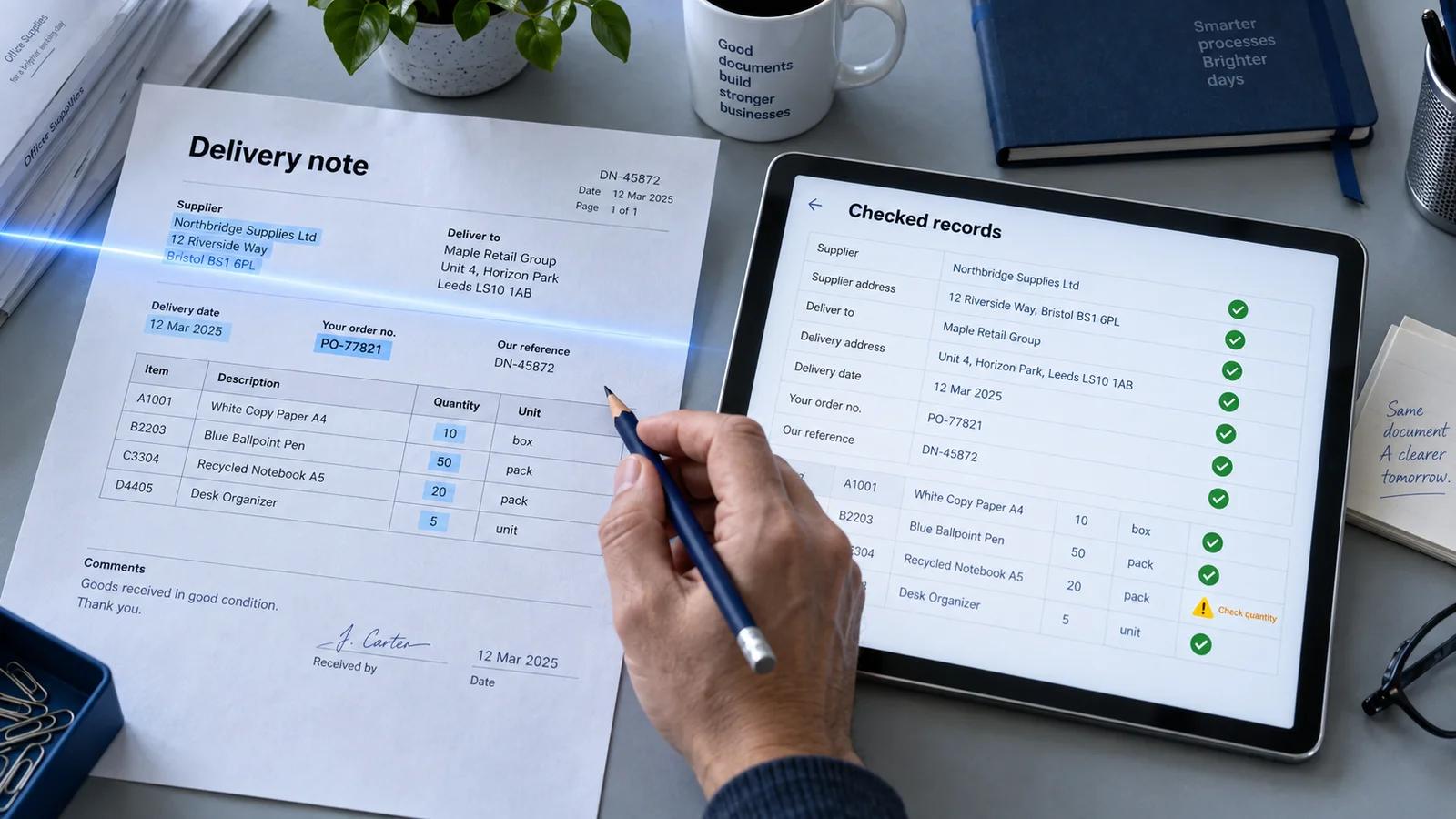
AI Document Processing: Turn PDFs and Emails into Checked Records
Sep 28, 2026
Learn how to turn PDFs and email attachments into checked business records using AI extraction, field validation, human review and reliable system updates.