Crafting Intuitive Microinteractions for User Retention
Explore the role of microinteractions in enhancing customer experience and boosting retention through subtle yet powerful design elements.
Quick summary
Microinteractions are small, often overlooked design elements that can significantly enhance user experience and retention. These subtle interactions, when well-designed, provide feedback, guide users, and create delightful moments that keep users engaged.
Understanding Microinteractions
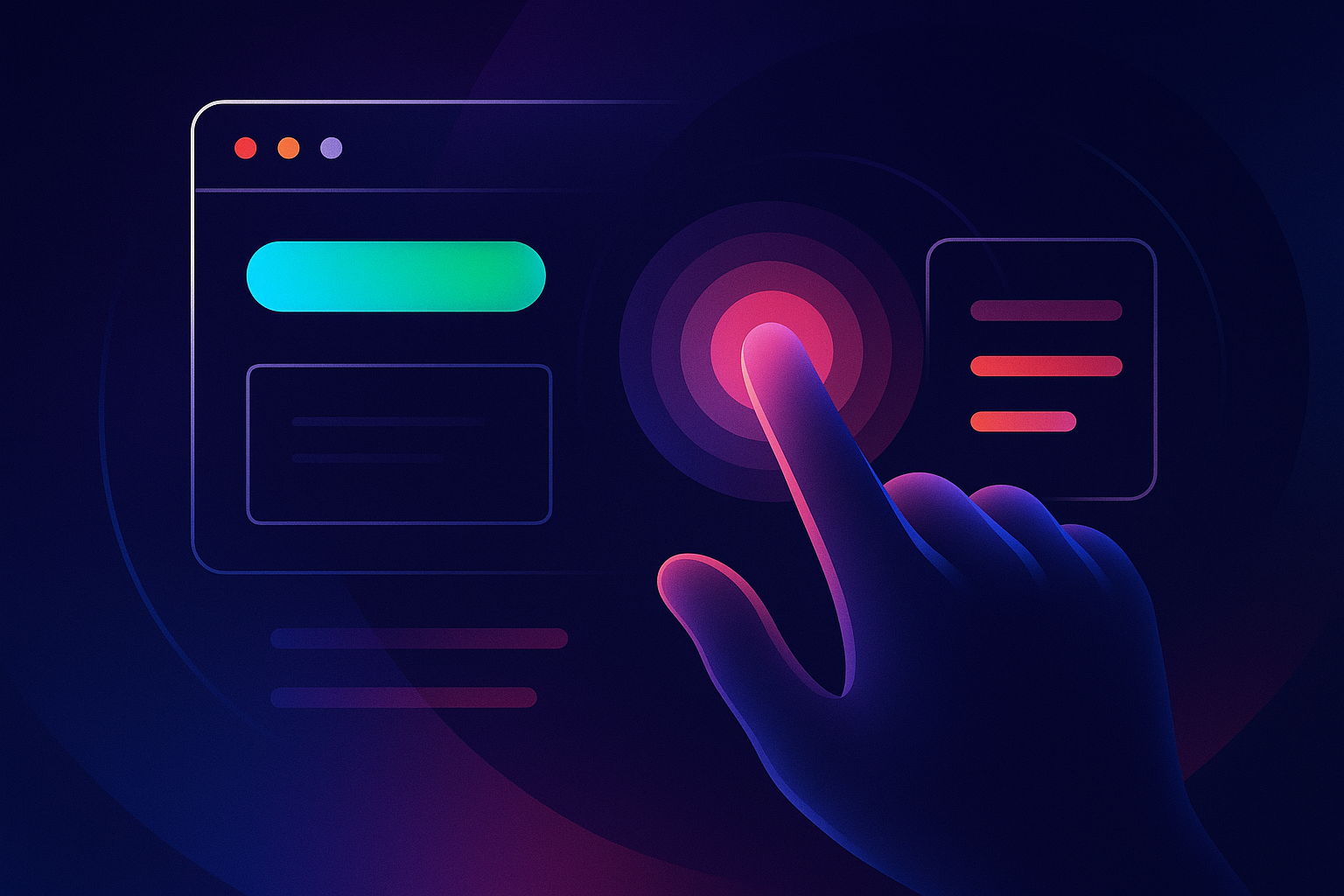
Microinteractions are small interface elements designed to accomplish a single task. They form the delightful moments that occur during interactions, such as a button animation or a notification sound.
These interactions are essential for providing feedback, enhancing navigation, and making the user's journey more engaging and intuitive. They play a crucial role in how users perceive a product’s usability and satisfaction.
The Power of Subtlety
While microinteractions might seem minor, their subtlety is what makes them powerful. A well-timed animation or sound can draw the user's attention without overwhelming them.
Designing Effective Microinteractions
To design effective microinteractions, start with understanding user needs and contexts. Each interaction should have a clear purpose and align with the overall user experience goals.
Examples of Successful Microinteractions
Consider the 'like' button on social media platforms. The animation upon interaction is a microinteraction that reinforces user action and enhances the enjoyment of the experience.
Login processes that use progress indicators reassure users and keep them informed, improving satisfaction and trust in the platform.
Impact on User Retention
Microinteractions can significantly impact user retention. They contribute to an intuitive and enjoyable experience, encouraging users to return.
By making each interaction point memorable, businesses can foster loyalty and engage users more effectively, ultimately driving retention.
Kreatrs Editorial
Kreatrs Media Team
Read more articles by Kreatrs Editorial on Kreatrs.
Related Blogs
The Art of Minimalist UI Design for Startups
Jun 21, 2026
Explore how minimalist UI design can boost user engagement and streamline product strategy for startups.
Leveraging User Feedback Loops for E-commerce Success
Jun 19, 2026
Explore how continuous user feedback loops can enhance e-commerce conversion by refining UX and personalizing customer journeys.
Color Psychology in UI/UX: Boosting Brand Identity
Jun 16, 2026
Explore how strategic color choices in UI/UX design can enhance brand identity and drive user engagement.